¿Cuáles son los requisitos exactos para que un inversor no residente califique a un préstamo de inversión en EE. UU.?
Para que un inversor extranjero no residente (sin residencia permanente, Green Card ni Social Security Number) califique para un préstamos de inversión inmobiliaria comercial o de renta en EE. UU. (como los préstamos DSCR o préstamos para propiedades de alquiler), los prestamistas privados e institucionales exigen un conjunto de requisitos muy claros y simplificados.
A diferencia de los préstamos tradicionales, el enfoque no está en tu empleo ni en tus impuestos personales, sino en la solvencia de la propiedad y la estructura corporativa.
1. Estructura Legal e Infraestructura Corporativa
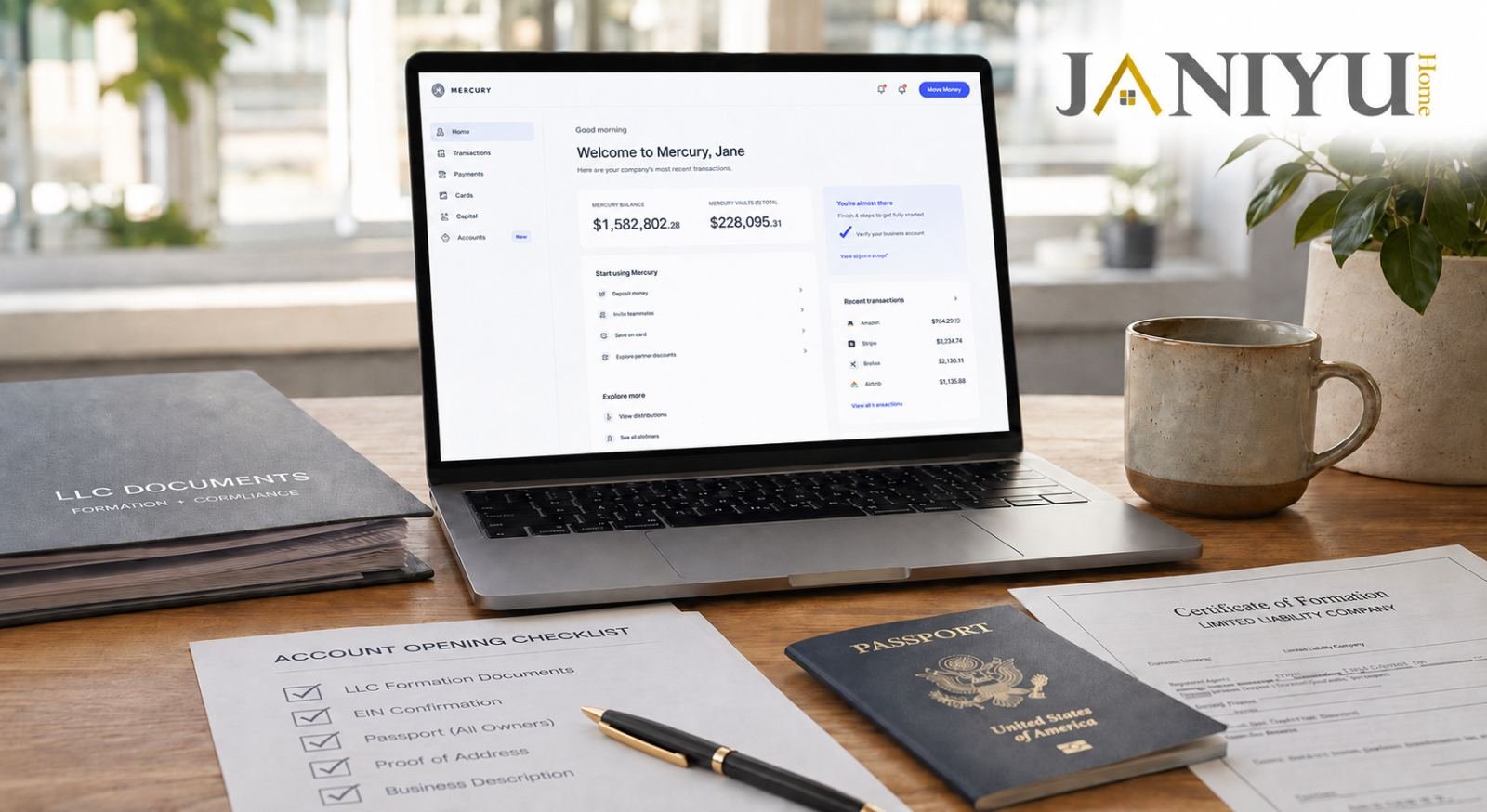
- Entidad corporativa en EE. UU. (LLC): Los préstamos de inversión no se otorgan a personas físicas extranjeras. Debes constituir una LLC (frecuentemente en estados como Wyoming, Delaware, Florida o Texas).
- Registro Fiscal de la Empresa (EIN): Número de identificación emitido por el IRS para la LLC.
- Cuenta Bancaria Comercial en EE. UU.: A nombre de la LLC para la gestión de cobros de renta, transferencias de capital y pagos de las cuotas del préstamo.
- Pasaporte Vigente e ITIN (opcional): Pasaporte internacional a color del beneficiario principal (con al menos 6 meses de validez). El ITIN no siempre es obligatorio al inicio para calificar a programas DSCR, pero sí el pasaporte.
2. Ratios y Viabilidad Financiera del Inmueble (Préstamos DSCR)
El prestamista evalúa principalmente el desempeño del activo:
- Ratio de Cobertura del Servicio de la Deuda (DSCR ≥ 1.0x - 1.15x): La renta bruta estimada del inmueble debe cubrir al menos el 100% al 115% de la cuota mensual del préstamo (Capital + Intereses + Impuestos de Propiedad + Seguro del Inmueble + Tasas de Asociación/HOA).
- Valor de Tasación (Appraisal): Un perito certificado por el prestamista debe determinar el valor de mercado actual de la propiedad y certificar la renta proyectada (Form 1007).
3. Requisitos de Capital y Reservas
| Requisito Financiero |
Criterio Estándar para Inversores Extranjeros |
| Pago Inicial (Down Payment) |
Entre el 25% y el 30% del valor de compra del inmueble (Financiamiento LTV de 70% - 75%). |
| Reservas de Capital (Liquidity Reserves) |
Demostrar en estados de cuenta bancarios entre 3 y 6 meses de cuotas del préstamo (Capital, Intereses, Impuestos y Seguros - PITIA). |
| Origen de los Fondos (Proof of Funds) |
Extractos bancarios de los últimos 2 a 3 meses (de tu país de origen o de tu cuenta en EE. UU.) demostrando que los fondos para la inicial y el cierre están disponibles y son legítimos. |
4. Documentación de Apoyo Breve (Sin Impuestos Personales)
- Carta de Contador Local / Referencias Bancarias: Una carta emitida por un contador público (CPA) o una entidad bancaria en tu país de origen verificando que eres cliente activo y con buen historial.
- Comprobante de Domicilio Personal: Factura de servicios públicos (Utility Bill) reciente a tu nombre en tu país de residencia para verificar identidad y domicilio.
- Copia de los Contratos de Arrendamiento (si la propiedad ya está alquilada): Si compras un inmueble ocupado por inquilinos, se solicitan los contratos vigentes (Lease Agreements).
Resumen: Lo que NO se te exige
- NO requieres historial de crédito FICO en EE. UU.
- NO necesitas declaraciones de impuestos de tu país de origen.
- NO necesitas recibos de sueldo ni nómina.
- NO requieres estar físicamente en EE. UU. para el trámite ni para el cierre.
¿Tienes una propiedad en vista o deseas revisar si tu perfil financiero califica?
What Are the Exact Requirements for a Non-U.S. Resident Investor to Qualify for an Investment Loan in the United States?
For a foreign non-resident investor—without permanent residency, a Green Card, or a U.S. Social Security Number—to qualify for a commercial or rental real estate investment loan in the United States such as a DSCR loan or rental property financing, private and institutional lenders generally require a clear and relatively streamlined set of documents and criteria.
Unlike traditional residential mortgages, the focus is typically not on your employment income or personal tax returns. Instead, lenders place greater emphasis on the financial performance of the property and the legal structure of the investment.
1. Legal Structure and Corporate Infrastructure
- U.S. Business Entity (LLC): Many investment loan programs for foreign nationals require the transaction to close through a U.S. LLC, commonly formed in states such as Wyoming, Delaware, Florida, or Texas.
- Employer Identification Number (EIN): The LLC must obtain an EIN from the IRS.
- U.S. Business Bank Account: A commercial bank account in the name of the LLC is commonly used for rental income, capital transfers, and loan payments.
- Valid Passport and ITIN (Optional in Some Programs): A color copy of the primary guarantor’s valid passport is generally required. An ITIN may not always be required at the beginning of the process for certain DSCR programs, although this depends on the lender.
2. Property Financial Performance and DSCR Requirements
For DSCR financing, the lender focuses primarily on the performance of the property itself.
- Debt Service Coverage Ratio (DSCR of approximately 1.0x–1.15x or higher): The estimated rental income should generally be sufficient to cover the monthly housing obligation, which may include principal, interest, property taxes, insurance, and HOA dues.
- Property Appraisal: A lender-approved appraiser determines the current market value of the property and, when applicable, estimates market rent. For residential investment properties, rental analysis may include forms such as Form 1007.
3. Capital and Reserve Requirements
| Financial Requirement | Typical Criteria for Foreign Investors |
|---|
| Down Payment | Commonly around 25%–30% of the purchase price, corresponding to approximately 70%–75% LTV, depending on the lender and transaction |
| Liquidity Reserves | Frequently 3–6 months of mortgage-related payments, including principal, interest, taxes, and insurance |
| Proof of Funds | Bank statements from the previous 2–3 months, from either your home country or U.S. account, showing that funds for the down payment, closing costs, and reserves are available and legitimate |
4. Supporting Documentation Without Traditional Income Verification
Depending on the lender, additional documentation may include:
- CPA Letter or Bank Reference: A letter from an accountant, financial professional, or banking institution in your country of residence confirming your relationship and financial standing.
- Proof of Residential Address: A recent utility bill or similar document showing your name and home address.
- Lease Agreements: If the property is already occupied by tenants, the lender may request copies of the current leases.
What You May Not Need
Depending on the specific foreign-national loan program:
- You may not need a U.S. FICO credit score.
- You may not need personal tax returns from your home country.
- You may not need pay stubs or traditional employment verification.
- You may not need to be physically present in the United States during the entire financing process or closing, provided the lender and title company allow remote execution.
Final Consideration
Foreign-national financing can be significantly more accessible than many international investors assume. The key is having the right legal structure, sufficient liquidity, a property that meets the lender’s guidelines, and a loan program designed specifically for non-U.S. residents.
Do you already have a property in mind, or would you like to review whether your financial profile may qualify for an investment loan in the United States?